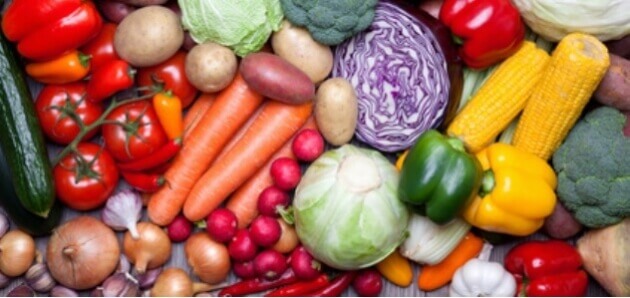
You’re back from your weekly trip to the grocery store, where you spent considerable time in the produce section, trying to find the freshest, best-looking vegetables available.
To ensure that your time and money were well spent, you now need to take special care of your produce. Besides careful selection, the key to great-tasting vegetables is proper storage at home.
Follow the handy guidelines below and you’ll enjoy the maximum flavor and shelf life from your vegetables every time. And by clicking on each vegetable listed, you’ll also find detailed storage times and tips, including freezing instructions.
Store the following at room temperature until they’re fully ripe, then refrigerate — premature refrigeration will harm their flavor and texture:
|
• Avocados |
To ripen faster, place in a paper bag. |
||||||||||||||||
|
• Tomatoes |
Keep out of direct sunlight. |
||||||||||||||||
|
(Technically, these are both fruits. But since they’re commonly treated as vegetables for cooking purposes, we've included them here.)
Store Outside the RefrigeratorStore these vegetables in a cool, dry place in your kitchen or pantry — the refrigerator’s cold temperature can harm their flavor and texture.
|
|||||||||||||||||
The fridge’s chilly environment helps to keep the following vegetables at their freshest for the longest period of time possible:
|
Sprinkle with a little water and store in a plastic bag. |
|
|
Wrap stalk ends in damp paper towel and place in a plastic bag. |
|
|
• Beets |
Cut off the green tops and refrigerate them separately. |
|
Store in a plastic bag. |
|
|
• Broccoli |
Store in an open plastic bag in the crisper. |
|
Keep in a plastic bag. |
|
|
• Cabbage |
Store in a perforated plastic bag in the crisper. |
|
• Carrots |
Remove the green tops; keep in plastic bag in the crisper. |
|
Store in an open plastic bag in the crisper. |
|
|
• Celery |
Store in a plastic bag in the crisper. |
|
• Corn |
Keep the husks on until ready to cook. |
|
• Cucumber |
Store in a plastic bag. |
|
• Eggplant |
Keep in a plastic bag. |
|
Store in a tightly closed plastic bag or airtight container. |
|
|
Store in a plastic bag. |
|
|
• Kale |
Keep in a perforated plastic bag in the crisper. |
|
• Leeks |
Store in loosely closed plastic bag. |
|
• Lettuce |
Keep in loosely closed plastic bag in the crisper. |
|
Store in a paper bag - plastic makes them spoil faster. |
|
|
• Peas |
Store in a perforated plastic bag. |
|
• Radish |
Remove the green tops before storing in a plastic bag. |
|
• Spinach |
Store in a perforated plastic bag in the crisper. |
|
• Turnips |
Keep in a plastic bag. |
|
• Zucchini |
Store in a plastic bag. |